
Newsletter #8 | October 31, 2025
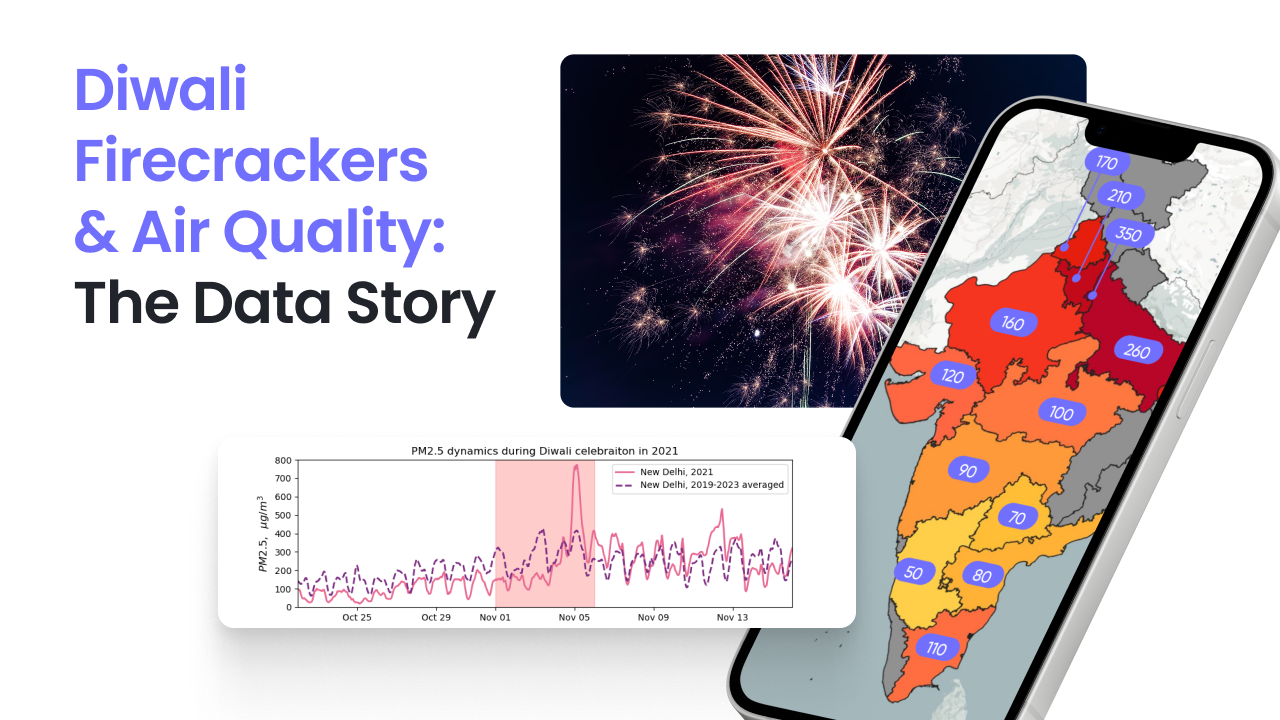
Last week, every major newspaper in India told the same story: air quality indices spiked above 300 after Diwali – one of India's most important Hindu festivals, traditionally celebrated each autumn with fireworks. Media coverage blamed the celebrations for the PM2.5 pollution crisis, repeating a narrative that recurs year after year.
In 2024, as a company deeply immersed in air quality research, we decided to test whether this widely held belief corresponds to measurable reality. In this issue, we revisit that study and its surprising findings.
In 2024, as a company deeply immersed in air quality research, we decided to test whether this widely held belief corresponds to measurable reality. In this issue, we revisit that study and its surprising findings.
The Research
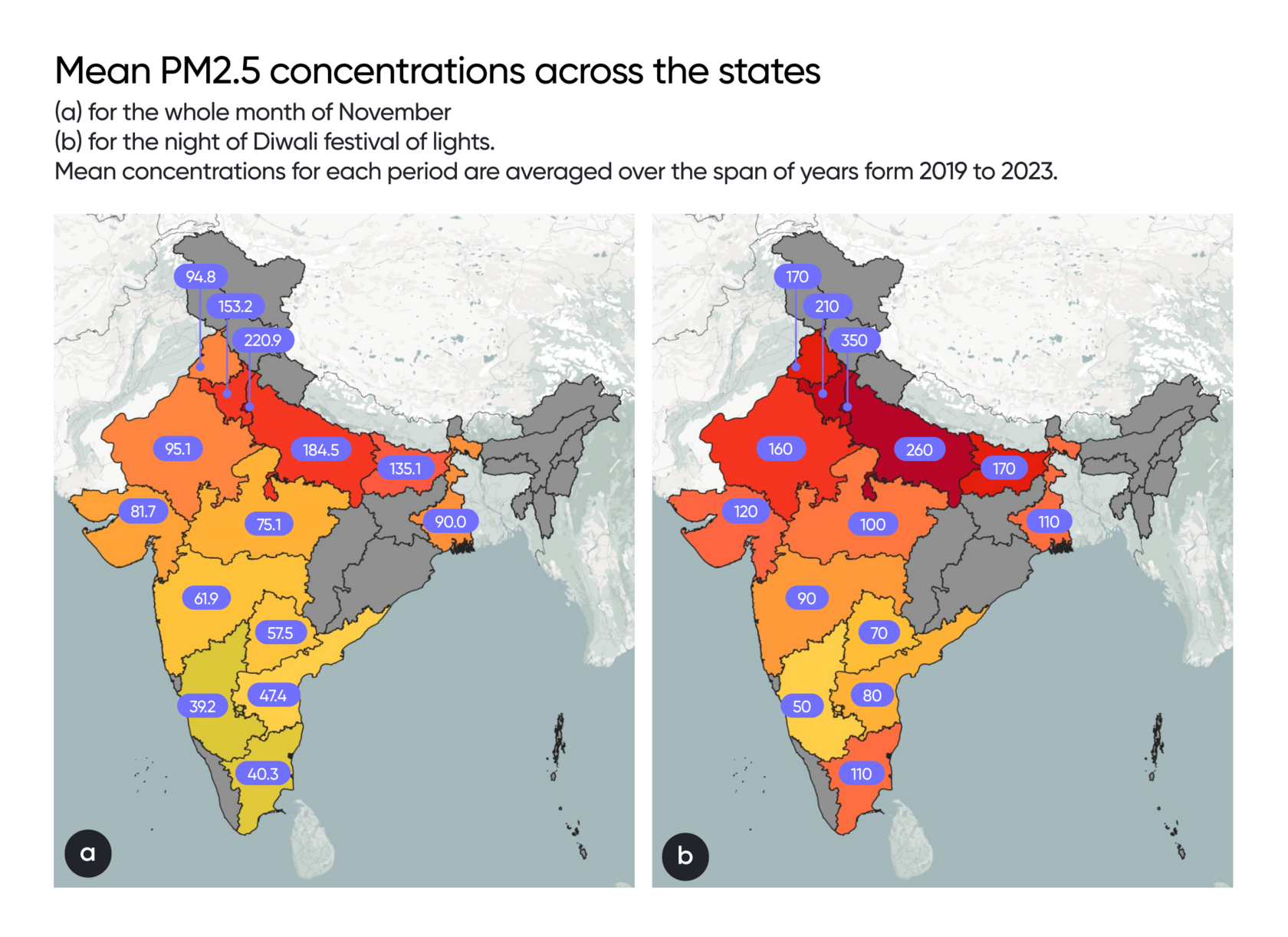
Last year, we conducted what remains the most geographically extensive study of Diwali's impact on air quality released in recent years. Our team analyzed air quality data from 180 Central Pollution Control Board monitoring stations across 14 Indian states over five consecutive years (2019–2023), focusing on PM2.5 concentrations as the primary indicator of firecracker smoke. This comprehensive approach revealed patterns of how firecracker emissions actually affect air pollution nationwide.
The Findings
While Diwali fireworks do create dramatic PM2.5 spikes (occasionally exceeding safe thresholds by up to five times), the impact is transient. Air quality the night after Diwali typically resembles the nights preceding the festival.


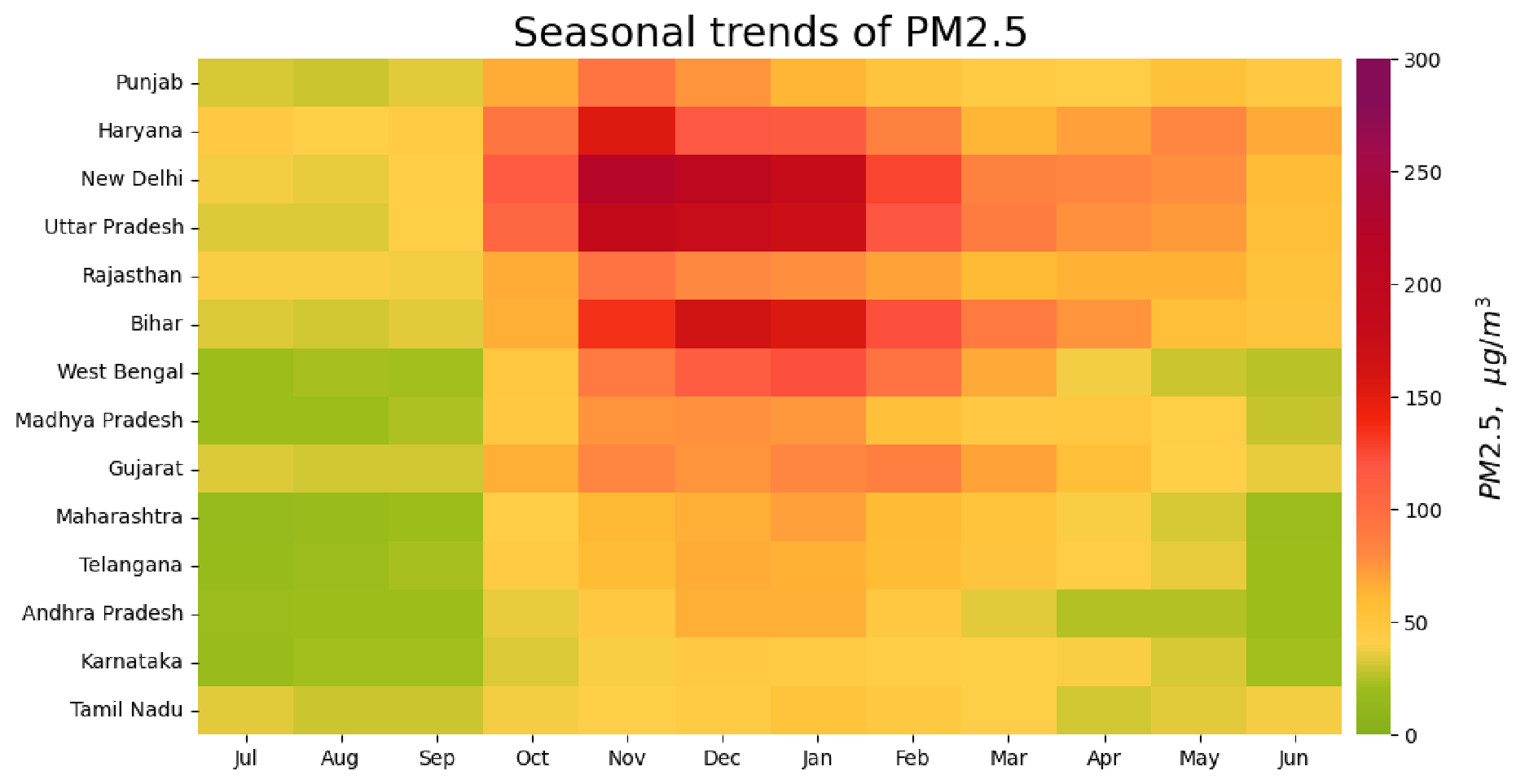
The most significant spikes occur in states like Rajasthan and Madhya Pradesh, where baseline PM2.5 levels are relatively low during autumn, making the festival peaks more pronounced. In northern states, however, severe pollution season coincides with Diwali, creating misconceptions about the relationship between the two.
As Col. Ashwini K Channan, President of Airvoice India, noted:
"Sufficiency and openness of air quality data is a prerequisite for improving the situation. Thanks to measurements, it's possible not only to understand the current situation, but also to assess the effectiveness of measures taken. Therefore, I sincerely hope that the amount of air quality information available and understandable to everyone will grow every year. This will allow people, businesses and governments to make informed decisions."
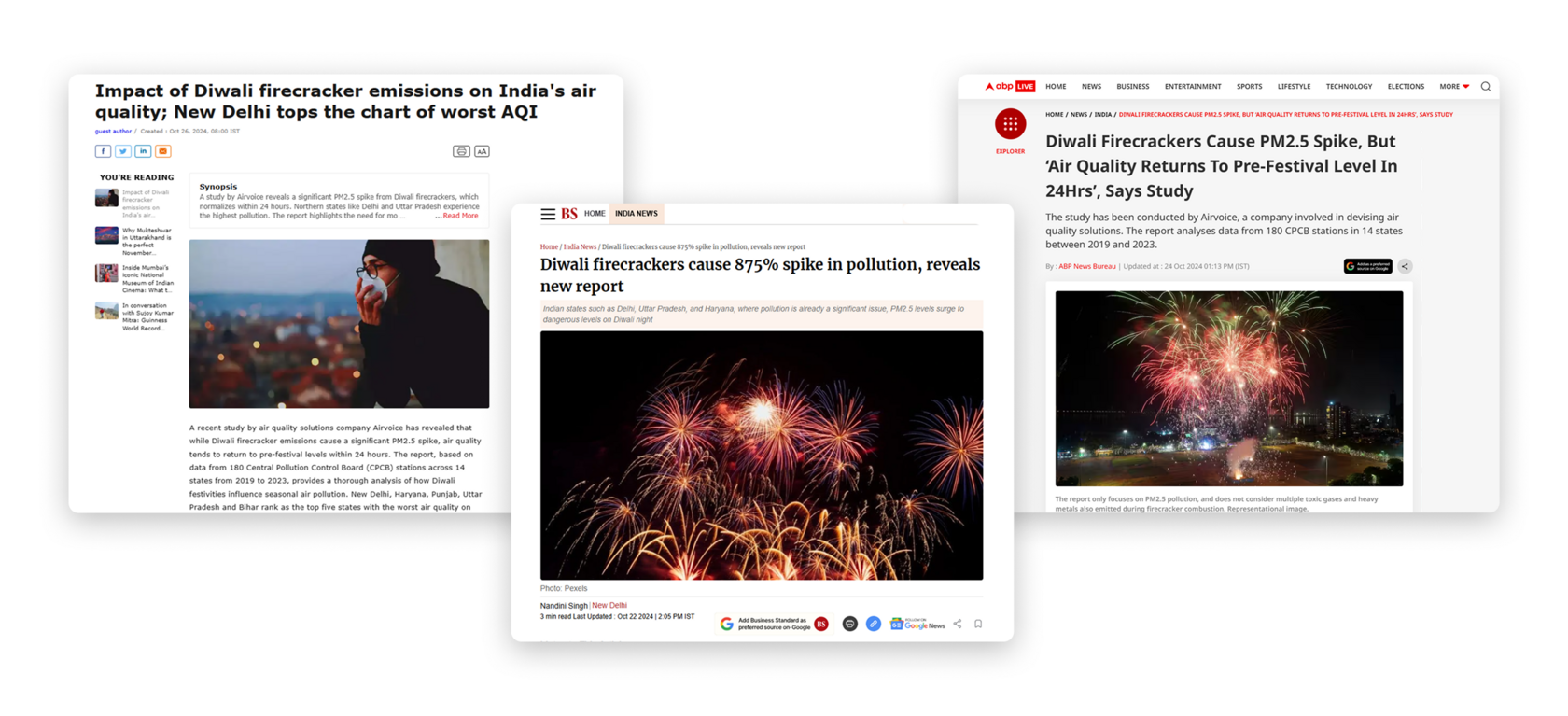
Our findings have been featured in major publications, including Times of India, ABP Live, Business Standard, News18, and The Daily Guardian, sparking important conversations about where air quality policy should focus its efforts.
Read the Complete Study >
Read the Complete Study >
Company News
CEO Vitalii Matiunin on Air Quality Matters Podcast
Our CEO Vitalii Matiunin recently joined the Air Quality Matters podcast at Healthy Buildings Asia 2025 in Hyderabad, discussing why making air quality visible is key to driving demand for healthier buildings.
"The real challenge isn't the technology — it's the knowledge gap across the industry and the lack of confidence that solutions will work," Vitalii noted during the conversation.
"The real challenge isn't the technology — it's the knowledge gap across the industry and the lack of confidence that solutions will work," Vitalii noted during the conversation.

If you’d like to keep up with our latest case studies, product launches, and air quality insights, subscribe to our Newsletter. It arrives no more than once every two weeks.
Breathe the difference,
Your Airvoice Team
We design software and hardware solutions for monitoring and managing air quality in buildings, industries, and cities, and partner with leading universities worldwide on cutting-edge research. To learn more about our solutions or explore collaboration opportunities, please get in touch:
Europe
hello@airvoice.global | +359 87 911 36 16
India
namaste@airvoice.global | +91 9205 373 365
USA
hello@airvoice.global | +1 857 639 00 81
Breathe the difference,
Your Airvoice Team
We design software and hardware solutions for monitoring and managing air quality in buildings, industries, and cities, and partner with leading universities worldwide on cutting-edge research. To learn more about our solutions or explore collaboration opportunities, please get in touch:
Europe
hello@airvoice.global | +359 87 911 36 16
India
namaste@airvoice.global | +91 9205 373 365
USA
hello@airvoice.global | +1 857 639 00 81